
The most significant jump-scare the film industry has encountered in 2025? The return of horror as a dominant force at the UK film market.
As a style, it has impressively exceeded previous years with a 22% rise compared to last year for the UK and Irish box office: £83.7 million in 2025, compared with £68 million the previous year.
“Previously, zero horror films made £10 million in the UK or Ireland. Currently, five have surpassed that mark,” says a box office editor.
The top performers of the year – Weapons (£11.4 million), another hit film (£16.2 million), the latest Conjuring installment (£14.98 million) and the sequel to a classic (£15.54m) – have all stayed in the cinemas and in the popular awareness.
Even though much of the industry commentary centers on the unique excellence of prominent auteurs, their achievements indicate something evolving between viewers and the genre.
“Viewers often remark, ‘This is a must-see regardless of your genre preferences,’” says a film distribution executive.
“Films like these play with genre and structure to create something completely different, and that speaks to an audience in a different way.”
But beyond aesthetic quality, the ongoing appeal of spooky films this year suggests they are giving audiences something that’s highly necessary: therapeutic relief.
“Right now, there’s a lot of anger, fear and division that’s being reflected in cinema,” says a horror podcast host.
“Horror films are great at playing into people’s anxieties, while at the same time exaggerating them. So you forget about your day-to-day anxieties and focus on the monster on the screen,” remarks a noted author of classic monster stories.
In the context of a real-world news cycle featuring war, border tensions, far-right movements, and environmental crises, supernatural beings and undead creatures strike a unique chord with viewers.
“I read somewhere that the success of vampire movies is linked to economically depressed times,” comments an star from a popular scary movie.
“The concept reflects how economic systems can drain vitality from individuals.”
Since the early days of cinema, social unrest has influenced the genre.
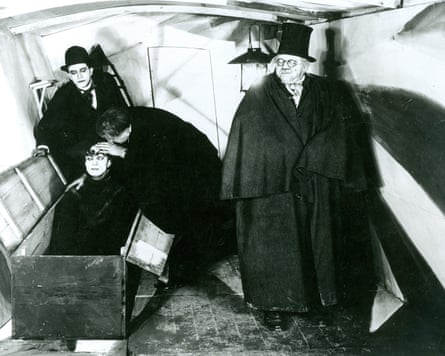
Analysts highlight the boom of early cinematic styles after the WWI and the chaotic atmosphere of the post-war Germany, with movies such as classic silent horror and Nosferatu: A Symphony of Horror.
Subsequently came the 1930s depression and iconic horror characters.
“The classic example is Dracula: you get this invasion of Britain by someone from eastern Europe who then causes this infection that gets spread in all sorts of ways and threatens the Anglo-Saxon heroes,” notes a academic.
“Therefore, it embodies concerns related to foreign influx.”
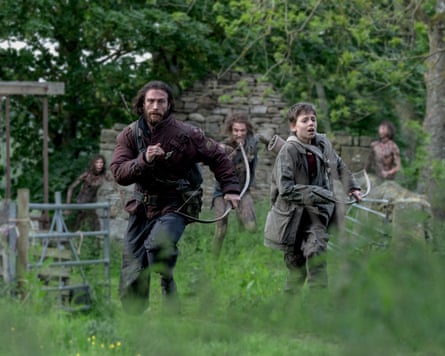
The phantom of border issues influenced the newly launched folk horror The Severed Sun.
The creator explains: “My goal was to examine populist trends. For instance, nostalgic phrases promising a return to a 'better' era that excluded many.”
“Additionally, the notion that acquaintances might unexpectedly voice extreme views, leaving others shocked.”
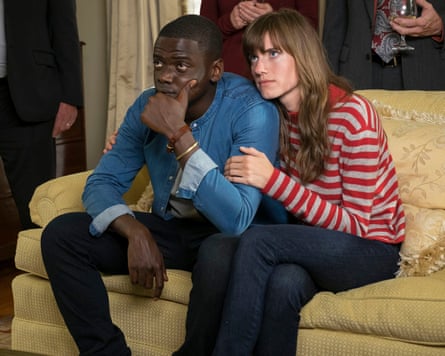
Maybe, the modern period of praised, culturally aware scary films began with a clever critique launched a year after a contentious political era.
It sparked a recent surge of visionary directors, including various prominent figures.
“That period was incredibly stimulating,” recalls a director whose movie about a murderous foetus was one of the time's landmark films.
“I believe it initiated a trend toward eccentric, high-concept horror that aimed for artistic recognition.”
This creator, now penning a fresh horror script, notes: “During the past decade, viewers have become more receptive to such innovative approaches.”
Concurrently, there has been a reconsideration of the underrated horror works.
Recently, a nicke l venue opened in a major city, showing underground films such as a quirky horror title, The Fall of the House of Usher and the 1989 remake of Dr Caligari.
The fresh acclaim of this “gritty and loud” genre is, according to the cinema founder, a clear response to the calculated releases churned out at the theaters.
“It counters the polished content from big producers. The industry has become blander and more foreseeable. Numerous blockbusters share the same traits,” he explains.
“In contrast [these alternative films] are a bit broken. It’s like they’ve erupted out of someone’s subconscious and been planted out there without corporate interference.”
Fright flicks continue to challenge the norm.
“These movies uniquely blend vintage vibes with contemporary relevance,” says an specialist.
In addition to the re-emergence of the deranged genius archetype – with several renditions of a well-known story on the horizon – he predicts we will see fright features in the near future reacting to our modern concerns: about artificial intelligence control in the years ahead and “supernatural elements in political spheres”.
At the same time, “Jesus horror” The Carpenter’s Son – which depicts the events of biblical parent hardships after Jesus’s birth, and stars well-known actors as the sacred figures – is planned for launch in the coming months, and will undoubtedly cause a stir through the Christian right in the America.</


